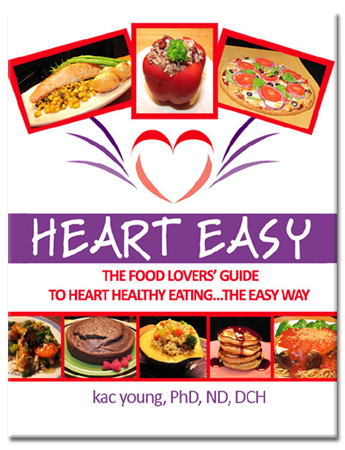
Last week I harvested tomatoes (in November!) from our amazing tomato plant, lovingly named Lazarus, for a Greek salad. This morning from my garden in the front yard, I harvested a cucumber, basil, red and green peppers and an onion. I made an amazing salad for lunch all with home grown produce that I picked myself. Okay, there is something to be said for the California Coastal Indian Summer, but it’s November for crying tears and I can’t believe the bounty is still coming! It looks like there is one more round to go, so I should be able to enjoy this fresh salad one more time before Thanksgiving.
You can also enjoy this great salad by purchasing organically grown produce at your local markets.
 INGREDIENTS
3 Tbsp cold-pressed virgin olive oil
1.5 Tbsp fresh lemon juice
1/2 teaspoon fresh chopped garlic
1 teaspoon red wine vinegar
1/2 teaspoon oregano
1/2 teaspoon dill weed
1/8 teaspoon Kosher salt
1/2 teaspoon freshly ground black pepper
2 medium plum tomatoes, sliced
1/2 cucumber, peeled, sliced
1/2 small sweet onion, peeled, sliced and cut in quarters
1 bell pepper, seeded, coarsely chopped or thinly sliced
1/8 cup pitted black olives (low sodium), coarsely chopped
1/3 cup crumbled non-fat feta cheese
DIRECTIONS
Combine the olive oil, lemon juice, garlic, vinegar, oregano and dill weed and whisk together until blended. Add salt and freshly ground black pepper. (Can be prepared the night before if you like. Refrigerate, but allow it to become room temperature before using. Shake before using.)
Meanwhile, combine the tomatoes, cucumber, onion, bell pepper, olives in a bowl. Toss with dressing and feta cheese. Serve immediately. Serve withed toast some whole wheat pita for a great treat.
Serves 2
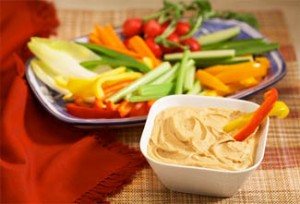 Appetizers
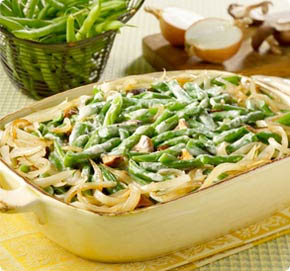 Green Bean Casserole
 Desserts
 Ingredients:
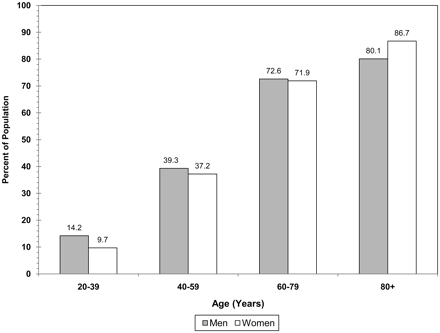 The risk of developing cardiovascular disease (CVD) in one’s lifetime after the age of 45 years exceeds 60% for men and 55% for women overall, a new study suggests. The study appears in the November 7, 2011 issue of the Journal of the American Medical Association, a theme issue on CVD. It was released early online today to coincide with the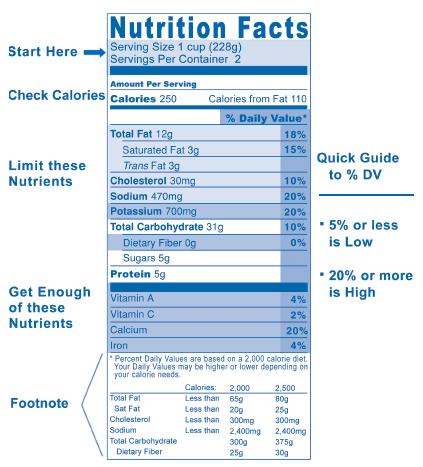
 I had a heart attack in 2006. I thought I was eating right, but my cholesterol was 268 and I didn’t know I was at risk. When I left the hospital alive, I trained myself to eat differently. My diet is not boring, it is not bland, it is exciting, full of flavor and delicious. I educated myself in how to shop for different ingredients, I learned to read labels, carefully, and I turned the process into an adventure so I didn’t fall into feeling sorry for myself. It is still fun for me to take a recipe and convert it into something supportive for my heart. I actually feel so much better and today my cholesterol is 152. Below are some thoughts you may want to consider.
 If your heart could talk, it would say, “No thank you.” It would ask for grains and greens and low fat foods bursting with nourishment and vitality. If you’re the first type (thinking you are eating well but still have a higher than desired cholesterol level), then you’re going to want to start reading labels and asking questions about the fat content of the seemingly healthy foods you are ingesting. If you’re the second type and accustomed to burgers on the fly, then you’ll also want to focus on what you’re putting into your body with the Big Four: Fats (saturated and fat in general), Cholesterol, Sodium, and Sugar. Labels will tell you. The American Heart Association’s Nutrition Committee strongly advises these fat guidelines for healthy Americans over age 2: